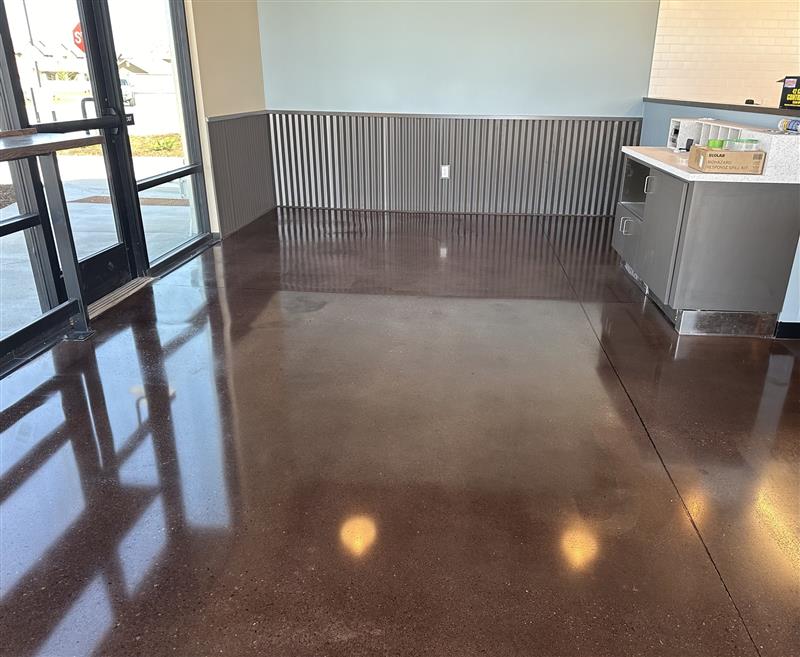
Do you want flooring that lasts and looks exactly how you want it? Custom concrete solutions can help. We tailor flooring to your needs.
For homeowners, this means fixing cracked basement floors and creating stylish living spaces. For real estate investors, this means increasing property value with flooring tenants will love. For small business owners, this means a showroom floor that shows off products.
Property managers know maintenance is important. Restored and overlaid concrete floors can handle traffic and spills without constant repairs. For new construction, the right flooring saves trouble later.
Want to hire Castle Rock Flooring Contractor that delivers quality results..Every project differs. We discuss your style, needs, and budget. Then we create a unique flooring plan. Maybe you want a specific color, pattern, or embedded objects for a special look. Custom solutions are about you. With our Castle Rock experience, we get it right the first time.
Custom flooring is about creating something that fits your exact needs. You aren't stuck with what stores have. Instead, we talk and plan. We create a floor that matches your style, needs, and even the angles in your house.
Why is this helpful? Everyone has different needs. Maybe you want a tough floor for a busy room or a modern look for your office. Perhaps you have a color scheme or pattern you want. Custom flooring lets you bring those ideas to life.
We start by listening to what you want. What is the space like? How much traffic does it get? What is your budget? Then, we explore materials, colors, and designs. We can even create samples, so you can see the finished product.
The best part? It is all about you. It is about creating a floor that you will love for years. It will reflect your personality and make your space feel like home. That is hard to put a price on.
Before you apply any overlay, the existing concrete must be spotless. Remove all dirt, oil, grease, paint, and old coatings. A pressure washer with a good degreaser often works. If you skip this, the overlay won't bond. It will peel or crack later. You want to avoid that. This step ensures your custom flooring lasts.
Concrete often has small holes or minor damage. Use a concrete patching compound to fill these before applying the overlay. This makes a smooth surface for the overlay to stick to. Be sure the patching compound cures. Then sand it even with the concrete. Otherwise, those flaws will show through the overlay, ruining your custom floor.
Cracks are a big deal. They need special care. Small, non-structural cracks can be filled with crack filler for concrete. Larger cracks may need expert repair, like epoxy or concrete replacement. Ignoring cracks spells trouble. They will show through the overlay, and the problem will worsen. This compromises the whole floor and your custom look.
A good surface profile helps overlay stick. Grind or acid-etch the concrete. This opens the pores and gives the overlay something to grip. Think of sanding wood before painting. Without a good profile, the overlay just sits on the concrete. An even profile makes a strong bond. That is key for your custom flooring.
If the concrete isn't level, you need self-leveling compound. Pour it over the surface and spread it. Follow the directions. This makes a flat base for your overlay. This is key for a smooth, pro look. Unevenness will show in the finished floor, mainly with custom designs. So, level well.
When it comes to concrete overlays, you have many choices. Picking the right one depends on what you want to achieve. Micro-toppings are thin and work well for a smooth, new surface. Self-leveling overlays are great for fixing uneven floors, especially in older homes. They create a new, level surface.
If you want something with visual appeal, stamped overlays could be the answer. You can mimic the look of brick, stone, or tile. This is a great way to add character, especially for patios or entryways. Epoxy coatings are tough, lasting, and sleek. This makes them good for garages or commercial spaces that need to handle wear.
Now, let's talk about custom flooring. It's about figuring out what the client wants. Maybe they have a specific color or pattern in mind. Perhaps they need a floor that can withstand heavy machinery. We can adjust the overlay, color, and finish to match their needs. It’s about creating a floor that’s unique and built to last. This is important for homeowners who want to show their style, or businesses that need a floor for specific demands.
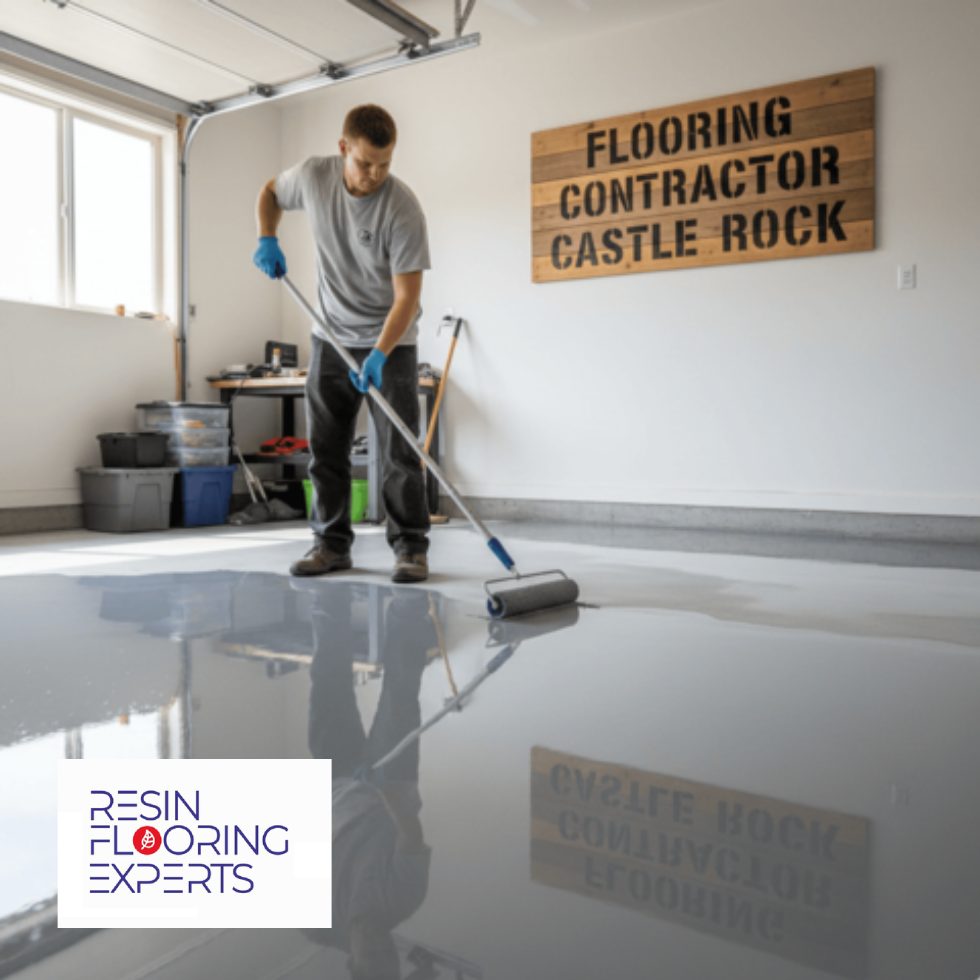
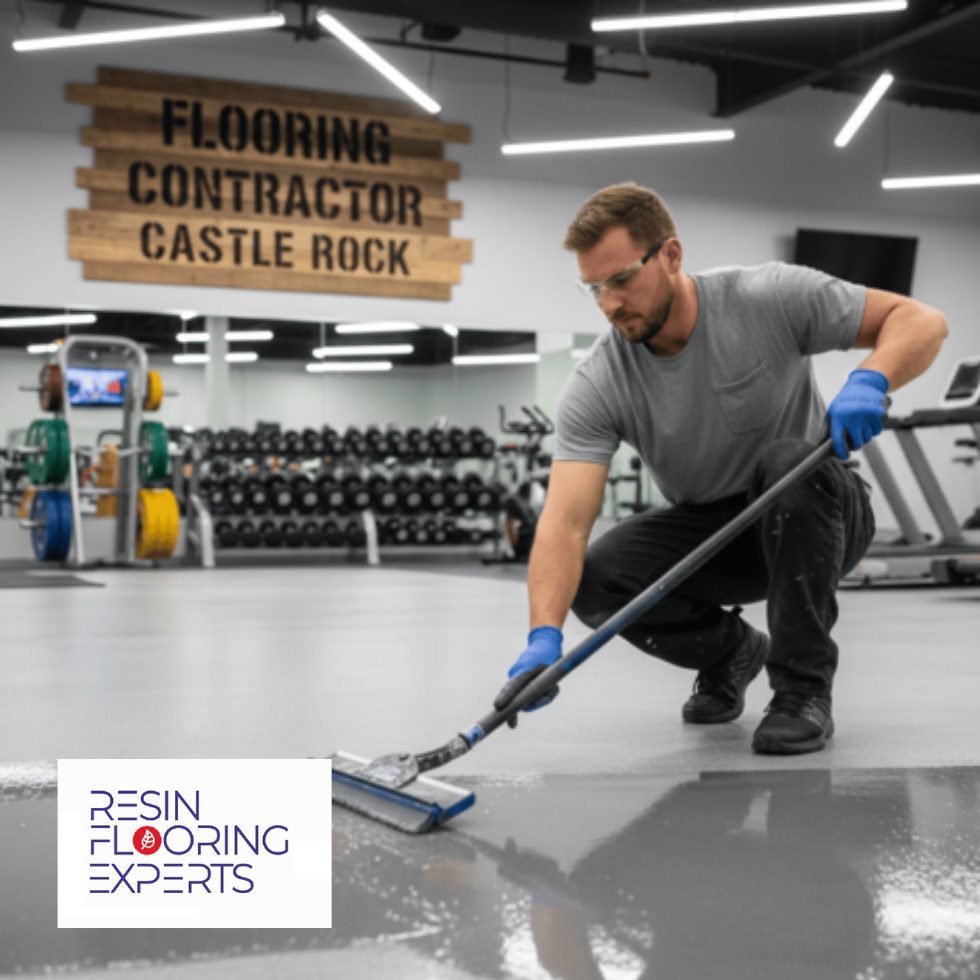
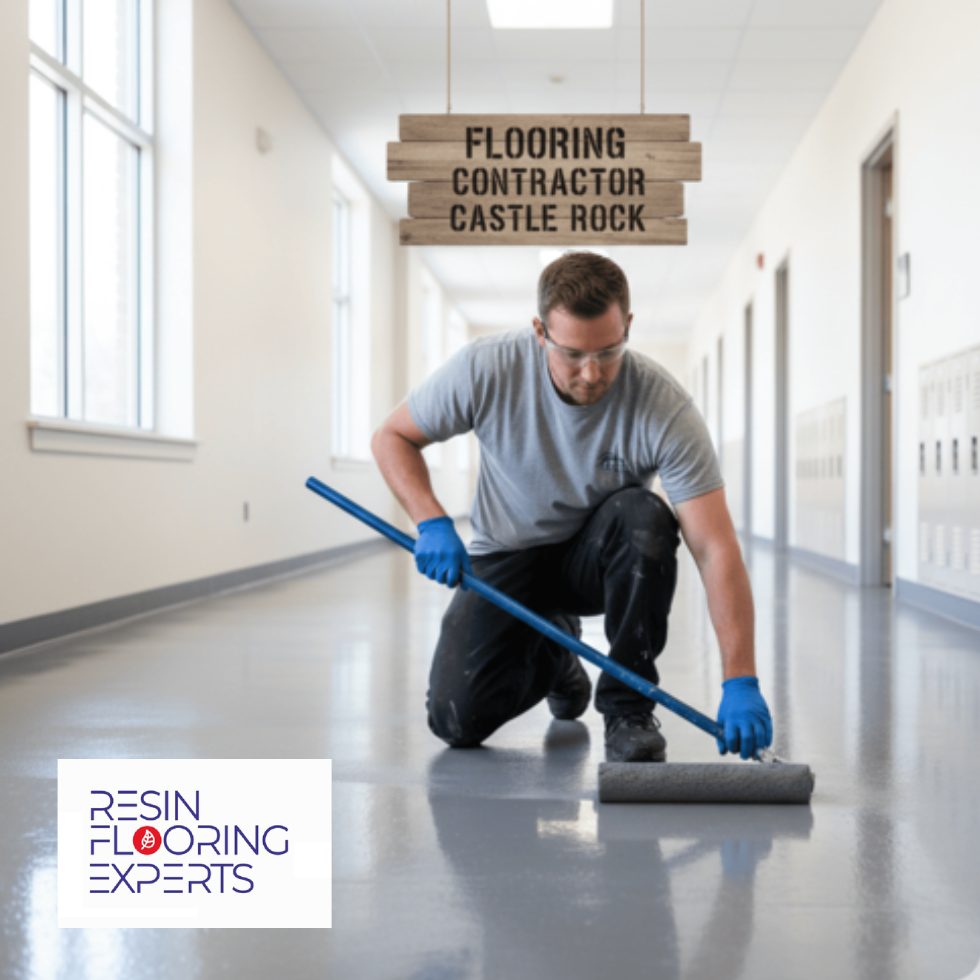
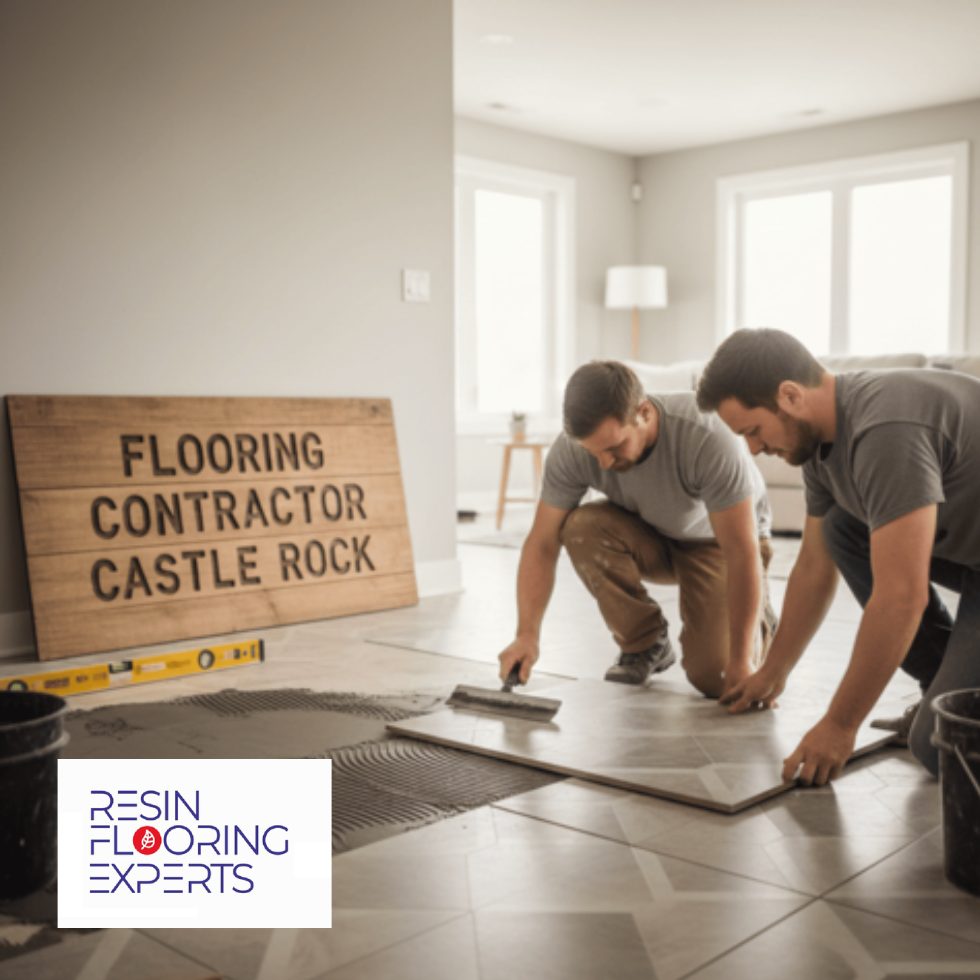
You picked your overlay. Now comes the fun part: putting it down! Mixing is key. Always follow the manufacturer's instructions exactly. Seriously. Too much water makes it weak. Not enough water makes it hard to work with. Get a good mixing drill with a paddle attachment. It’s worth it.
For application, thin coats work best. Use multiple thin coats, rather than one thick one. This lowers the risk of cracking and gives you a stronger bond. Use a squeegee or trowel, depending on the overlay type, and keep a consistent angle. Overlap each pass slightly.
What about curing time? Again, you must follow the manufacturer's guidelines. Don't rush. Keep the surface damp (but not soaking wet) during the curing process. This helps the concrete hydrate and reach its full strength. Cover it with plastic sheeting to hold in moisture.
Safety first: Concrete dust is nasty. Always wear a respirator when mixing or grinding. Eye protection is a must. Gloves will save your skin from irritation. And make sure the area has good airflow.
For a pro finish, watch the edges. Tape them off cleanly. Use an edger tool to create a crisp line. After the overlay cures, think about sealing it. A good sealer will protect it from stains and wear, and make it last. It's a process. But these steps will get you great results.
When you work with custom flooring, especially overlays, the final seal matters. You put in work to get the look and feel right for your client. Now you must protect that work.
Sealing does a few things. It guards against stains. Coffee spills and muddy shoes happen. A sealer creates a barrier. Water damage is another issue, especially with Colorado's freeze-thaw cycles. Water seeps into the concrete, freezes, and expands, which causes cracks. Sealers help prevent that. Sealers also add a layer of protection against everyday use.
There are different types of sealers, and each has pros and cons. Acrylic sealers are often affordable and easy to apply. They provide protection, but they might not be durable for high-traffic areas. Epoxy sealers are tougher and offer better chemical resistance. If you're dealing with a garage or commercial space where oil spills are a concern, consider epoxy. Polyurethane sealers are durable and resistant to abrasion, chemicals, and UV damage. They're a choice for outdoor applications or areas that get sun.
Choosing the right sealer depends on the project needs and the client's budget. Don’t just use the cheapest option. Talk to your client and explain the benefits of each type. Find the balance between cost, performance, and looks to deliver a flooring solution that lasts.
Custom flooring means creating something special. It’s more than color choice. It means making a floor that fits a client's vision. A homeowner might want a floor that matches their art. A business owner might need something tough that still looks good.
We talk to clients and listen. What matters to them? What look do they want? Do they need something non-slip or easy to clean?
Then, we look at choices. Maybe a concrete overlay with a stain and pattern will work. Or we can add glass or pebbles for a special look. We also think about the subfloor, light, and building style.
Collaboration is key. We show clients samples and plans so they see what they get. We make changes until everyone is happy. This makes sure the floor works and shows the client's style. Getting it right means a happy client and a floor that lasts.
Custom flooring helps you get exactly what you want. Forget standard options. This reflects your style and handles your specific needs.
For example, a restaurant might want a floor that handles heavy foot traffic and spills but also looks upscale. Or a homeowner might dream of a living room floor that matches their style. That's where custom solutions come in.
The process starts with a real conversation. We must understand your vision, how you use the space, and your priorities. Then, we explore the options. Staining, dyes, and decorative aggregates create many colors and textures. You can even embed objects like glass or stones for a unique look.
The beauty of concrete overlays is that they can be changed in many ways. Different patterns, textures, and colors help achieve a specific look. Maybe you want a modern look. Or perhaps you prefer a rustic finish. It's all possible.
But it's not just about looks. Custom flooring also addresses functional needs. Want a non-slip surface for your garage? We can do that. Need a floor that's easy to clean in a commercial kitchen? We can do that too. It's about finding the right balance of form and function.
Custom flooring solutions mean creating something that fits a client's exact needs. It's more than picking a color. It's crafting a floor that matches their style and how they use the space.
Restoring or overlaying concrete can be tricky, especially when you want something unique. That’s where a skilled contractor helps. You might want to DIY, and sometimes that works. Concrete is finicky, though. If the prep work isn't right, you could get cracks or the overlay might not bond. That's a big problem.
A pro brings skills. They know the right mix, how to prep the surface, and they have tools most homeowners don't. They also know how to handle issues that come up.
Consider this: A custom finish needs specific materials or methods. Maybe it's a special stain, a unique stone, or a complex pattern. A contractor has the suppliers and the knowledge to source and apply those materials. You get a personalized floor, done right, that will last.
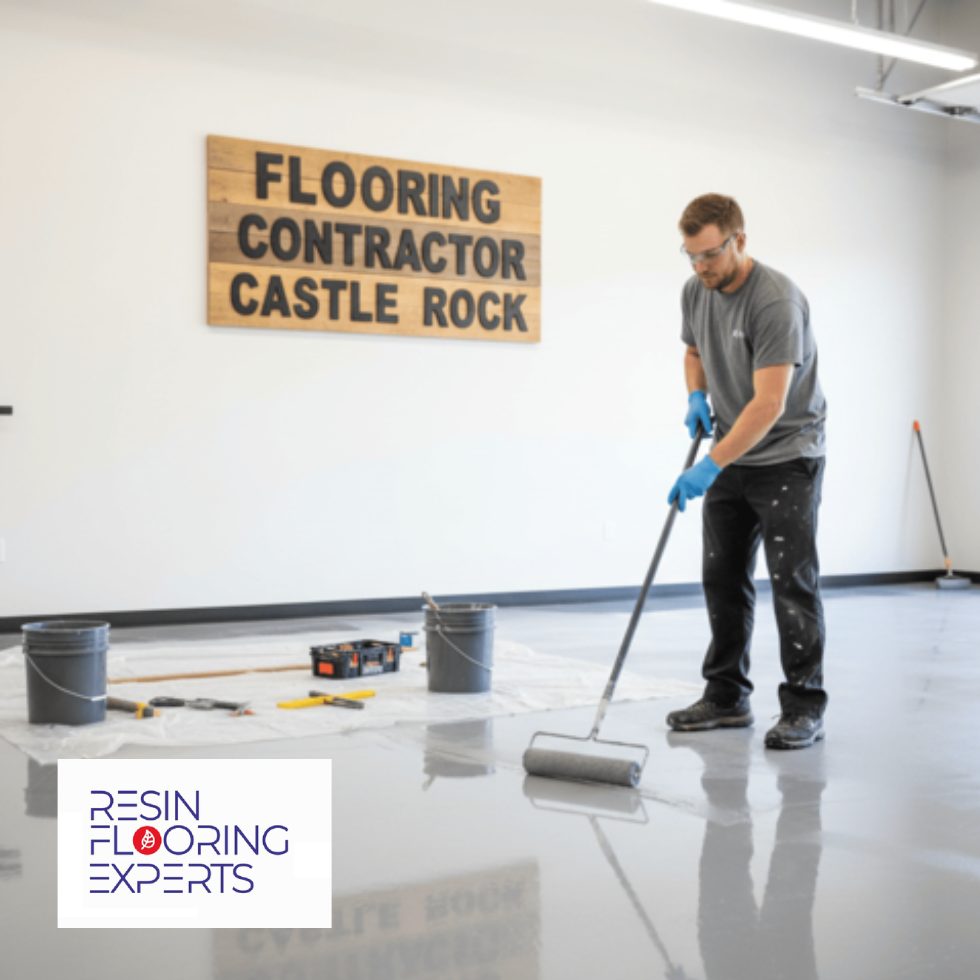
Do you want flooring that really fits you? Not just the same old stuff everyone else has? That's where custom flooring comes in. These are tailored options, designed to nail your specific needs and style. It’s more than just picking a color.
Think about this: a homeowner might want a specific stain to match existing furniture. A business owner might need super-durable, easy-to-clean concrete overlays for a high-traffic area. Real estate investors doing a flip? They might want something stylish but affordable to boost resale value. Everyone's got different priorities.
The process usually starts with a good chat. We listen to what you're after, look at the space, and then brainstorm ideas. Maybe it's a custom color blend for a stained concrete floor, or a unique epoxy finish with embedded objects. We can create stencils for patterns, logos, whatever you want.
One thing to remember: custom doesn't automatically mean crazy expensive. It means smart. We can often find creative ways to achieve a great look without spending too much. The key is to plan it out well, pick the right materials, and get it installed properly.
Concrete restoration and overlays do more than fix cracks. They unlock custom flooring options made for your vision. You aren't stuck with plain floors. We can create something that shows your style.
Want a certain color? A texture? A pattern? Overlays make it happen. We can copy the look of tile or hardwood, but with strong concrete. It's neat.
It's not just about looks. Custom flooring can fix needs. Need a floor that resists slips in a kitchen? Or one that handles lots of traffic in a store? We can help.
Doing it right matters. Bad overlays can crack or peel. You need a contractor with know-how, someone who gets concrete restoration. That's us!
Want to see what's possible? Don't pick normal when you can pick great. Contact us for a talk. We can go over your project and create a custom floor that wows. We’ll give you a free price quote, and you can see how we can change your space. Let’s begin!