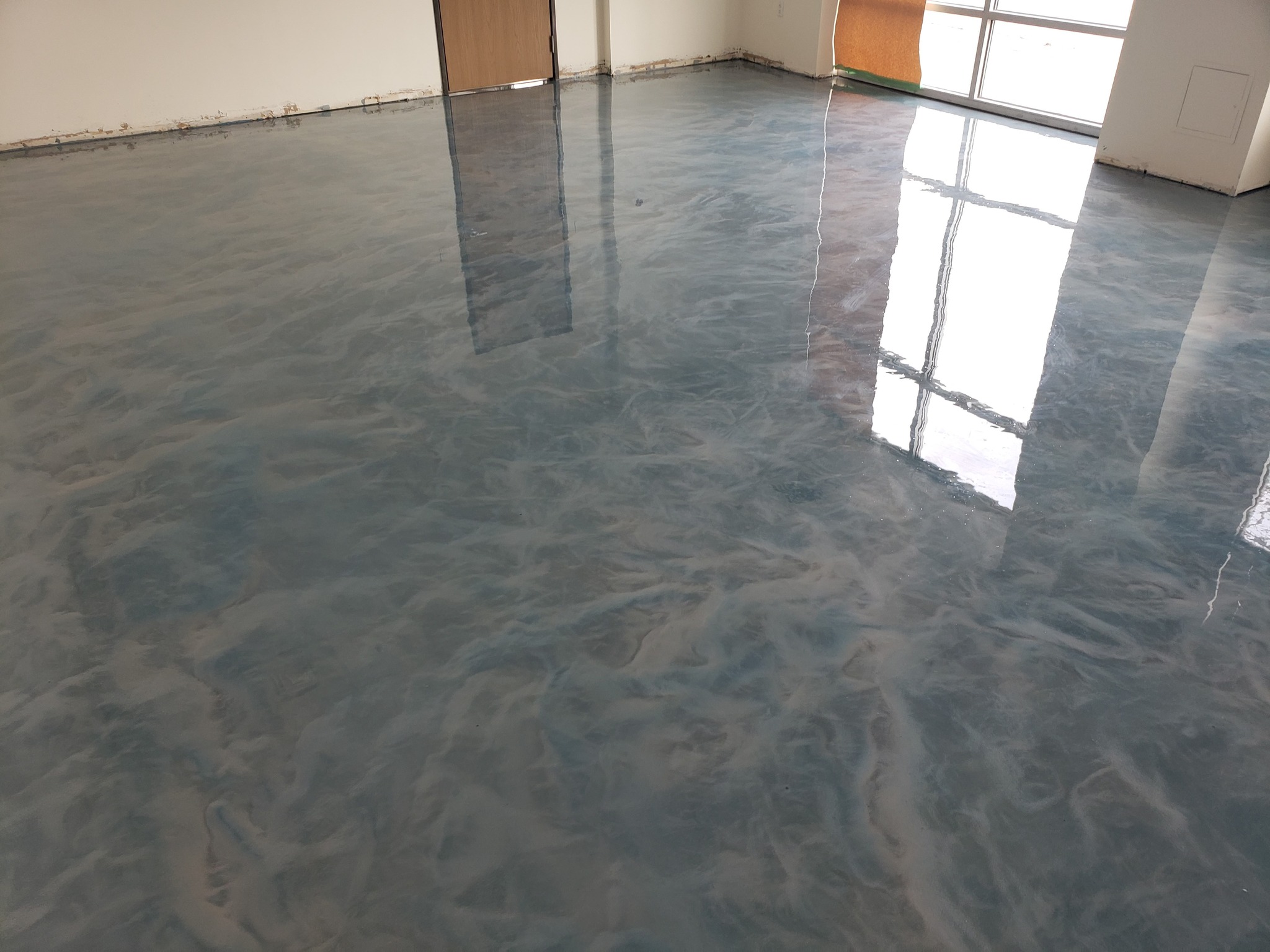
Commercial spaces, especially in Castle Rock, endure heavy use. There is constant foot traffic, equipment movement, and possible chemical spills. So, lasting flooring is essential for safety and long life. Epoxy flooring is a great option because it is tough and resists daily wear and tear.
When we say "custom flooring," we mean more than picking a color. We create something for a client's specific needs. For example, a brewery needs different flooring than a retail store. The brewery needs something chemical-resistant and easy to clean. The boutique wants a certain look and feel.
That's where the "custom" part comes in. Need Castle Rock Flooring Contractor that delivers quality results.. We learn about a client's needs, traffic, possible spills, and desired look. Then, we create flooring that works well and shows their brand and style. It is about balancing function and form, which you can't do with a one-size-fits-all approach.
Epoxy flooring is a mix of resin and a hardener. These two create a strong, lasting surface. That's why it's so popular for commercial spaces.
Why should homeowners, investors, business owners, property managers, and builders care? Let's break it down.
For homeowners, epoxy means a floor that can handle anything. Spills are no problem. Kids running around? No problem. Plus, you can customize it to match your style.
Real estate investors and property managers, listen: epoxy floors are tough. They resist chemicals, so cleaning is easy. They last for years, which reduces maintenance costs. That finish? It prevents dirt and bacteria buildup.
Small business owners, think about this: epoxy can handle heavy foot traffic and equipment. It’s easy to clean, so your space looks good. You can even add your logo for branding.
New construction builders, epoxy is a modern, lasting option that appeals to buyers. Its flexibility means you can offer styles and colors, which sets your properties apart.
Epoxy flooring is a smart choice for anyone who wants a lasting, easy-to-maintain, and customizable flooring option.
First, consider the daily foot traffic in your commercial space. Is it a busy retail store? Or a quiet office? High-traffic areas need a more durable epoxy. This epoxy can handle constant wear. The wrong epoxy can wear out fast. It can also scratch. You might need to make frequent repairs. This can cost more money. A pro can help you pick the right epoxy for your traffic levels.
Next, think about possible chemical spills. Restaurants, auto shops, and factories often use harsh chemicals. If so, you will need an epoxy that resists chemical damage. Standard epoxies might break down or stain when exposed to some things. A chemical-resistant epoxy will protect your floor. It will also keep its look. This makes for a safer and more professional space.
Consider the weight your floor must hold. Warehouses and factories often have heavy machines. Pick an epoxy system that can handle those loads. It should not crack or bend. Not thinking about load needs can cause structural damage. It can also lead to dangerous situations. A flooring contractor can check your load needs. They can also suggest the right epoxy.
Do not forget the look you want! Epoxy flooring comes in many colors, patterns, and finishes. Do you want a modern look for a showroom? Or a functional look for a warehouse? The look should match your brand. It should also create the right feel for your business. A pro can show you choices. They can help you pick a style that fits your space.
The best way to cover all these things is to hire a pro flooring contractor. They have the skills to check your space's needs. They can also suggest the best epoxy. They can also handle the install. This makes sure you get a lasting finish. Trying to install epoxy yourself without the right skills can lead to mistakes. It can also lead to poor results.
Want an epoxy floor that lasts in a commercial space? It starts before you pour any epoxy. Surface prep is key. I can't stress this enough.
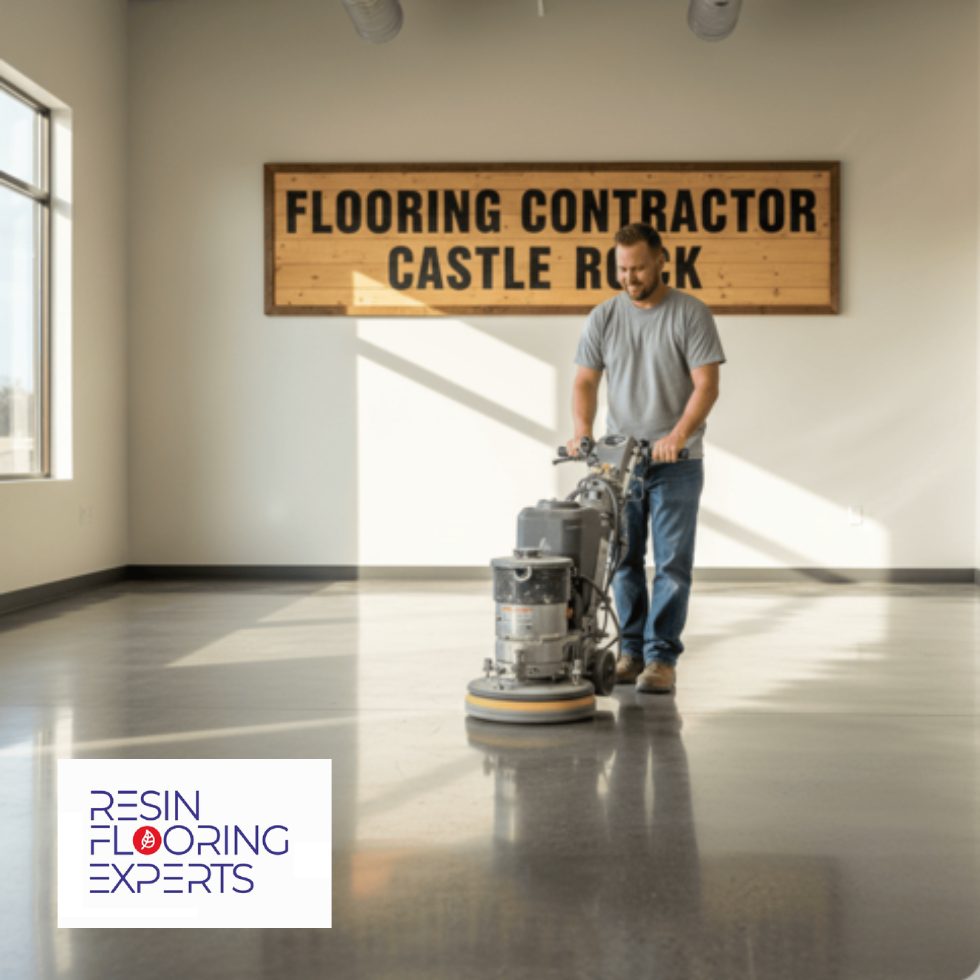
First, clean the existing floor. Remove all the dirt, grease, and old coatings. A degreaser helps here. Next, grind the surface to give the epoxy something to grab. Think of sanding wood before painting. If there are cracks or holes, patch them. Use a concrete patch for this. Don't skimp.
What happens if you skip steps or do a poor job? The epoxy won't stick. You'll get adhesion failure, and the epoxy will peel or flake off. That looks bad. Also, the floor will wear out faster. You'll spend the money you saved on prep on repairs or a new floor. Trust me, do it right the first time. Good surface preparation makes an epoxy floor last.
Finally, use a primer. A good primer bonds the concrete and the epoxy. It also seals the surface, which stops air bubbles from ruining your finish.
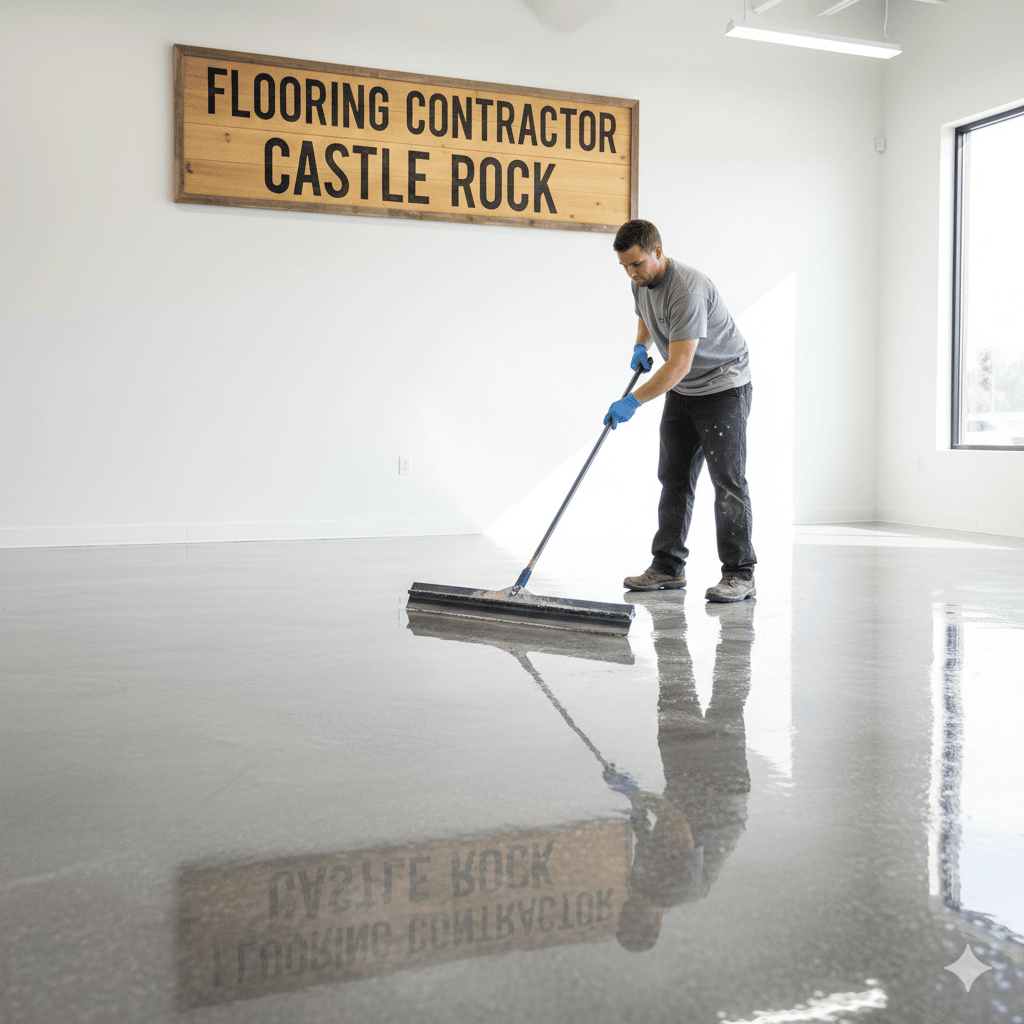
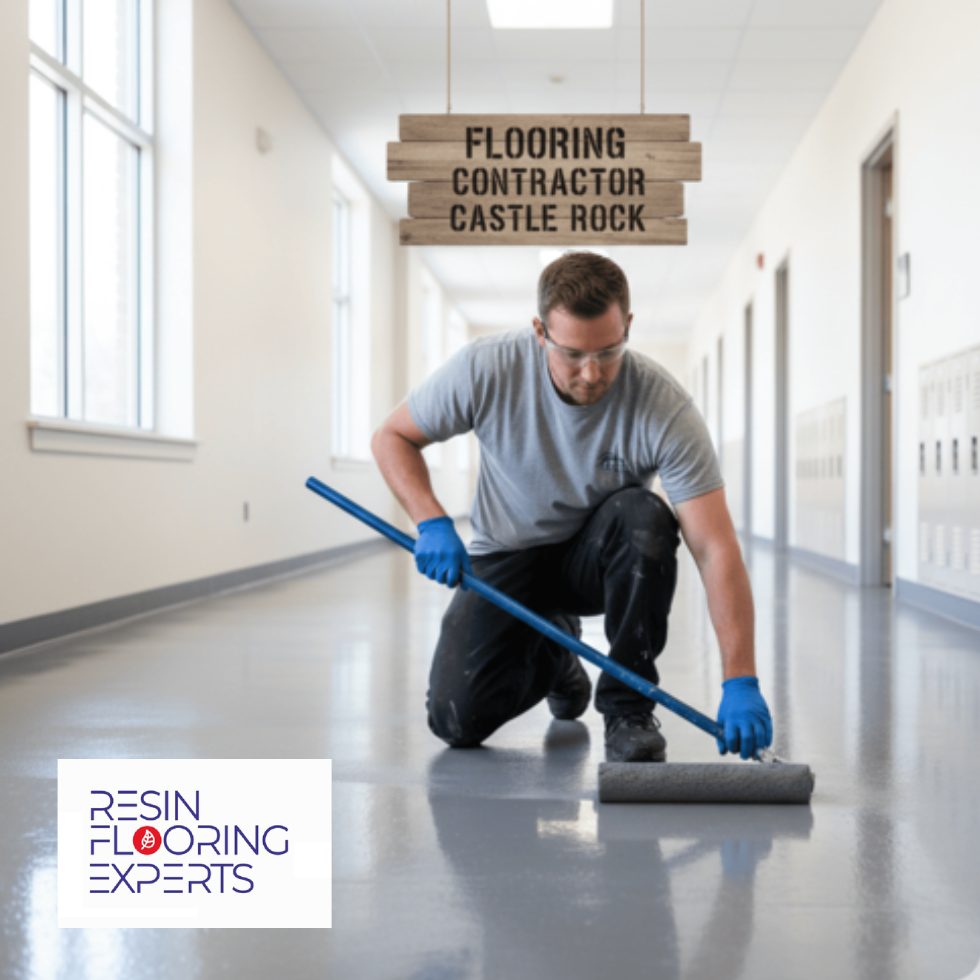
When it comes to epoxy, you have options. Self-leveling epoxy works well to create a smooth look. Showrooms or modern offices often use it. Mortar epoxy is strong and handles heavy impact. Warehouses and factories are good candidates for this.
Flake epoxy is decorative, with colored flakes in the resin. It’s durable and chosen for looks. Retail spaces and some restaurants might go this route. Metallic epoxy makes a statement. It creates a shimmering floor, often used in boutiques or office spaces.
Choosing the right one involves more than just looks. Think about what the floor must endure. How much foot traffic will there be? Will it face chemicals, like in a lab? What look do you want? A hospital floor differs from a car dealership, right?
For areas facing wear, consider high-performance epoxy coatings. These resist abrasion, impacts, and chemical spills. They often involve layers and additives to extend the floor's life and reduce upkeep. If you skip this step in a heavy-use space, expect constant repairs. No one wants that.
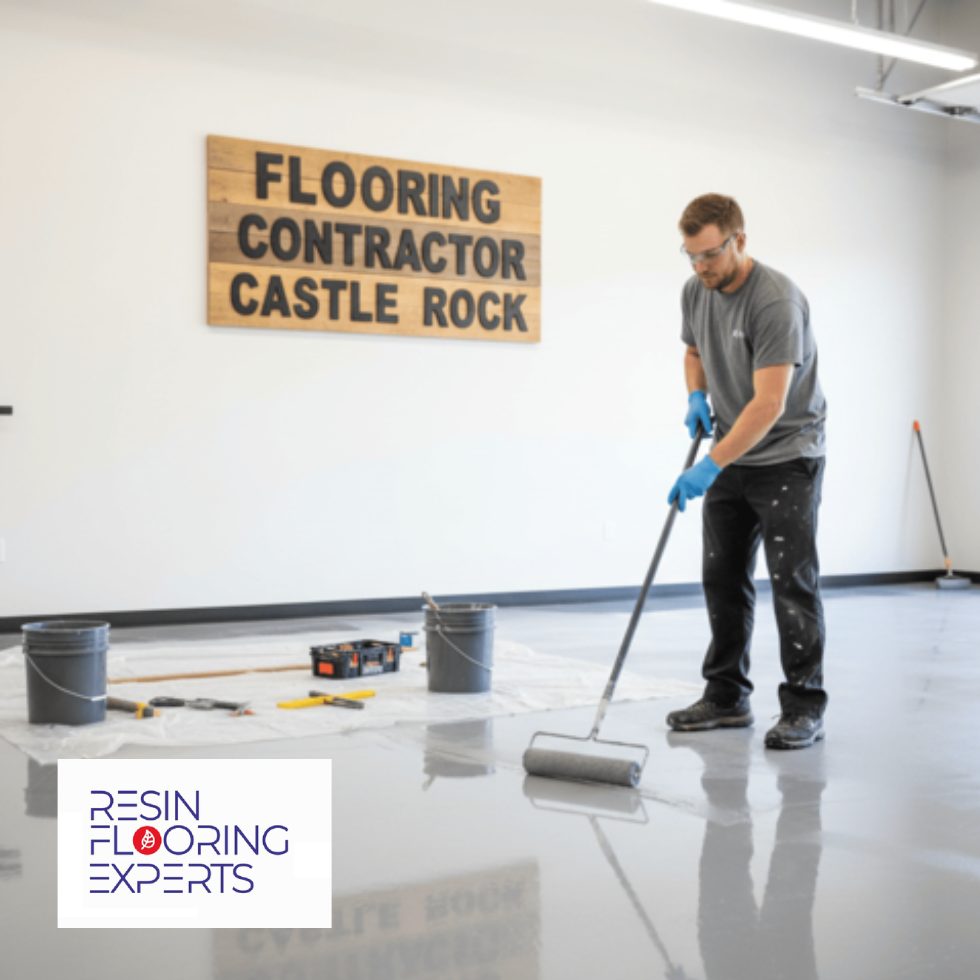
Let's discuss applying epoxy. This isn't like painting. It's a chemical process, so respect it. First, mixing ratios are KEY. Don't guess. Use measuring buckets and follow the maker's directions exactly. Too much hardener makes it cure too fast and crack. Not enough makes it stay sticky.
When you pour, don't dump it all in one place. Spread it out. Use a notched squeegee for coverage. Notch size matters, so check the directions. Next, use a spiked roller. This removes bubbles trapped in the epoxy. Bubbles weaken the finish and look bad.
This is where professional install makes a difference. It's not just tools. It's knowing how to use them, how temperature and humidity affect the epoxy, and fixing problems fast. A pro knows how to prep the surface. That's half the work. If you skip steps or rush, the finish will peel, crack, or look bad. No one wants that, especially in a commercial space where it must handle heavy use.
The curing process is critical for epoxy. You can't rush it. Curing is when the epoxy hardens and reaches its full strength. Think of it like concrete setting. You wouldn't want people driving on a bridge before the concrete is fully cured, right? The same idea applies here.
Generally, a full cure takes 24 to 72 hours. Keep in mind that this is just a guideline. Temperature is a big factor. If it's cold, the epoxy will cure slower. Warmer temperatures speed things up. Humidity also matters. Too much moisture can interfere with the chemical reaction and cause a cloudy or weak finish. Always check the manufacturer's specs for the best temperature and humidity.
What happens if you rush? You're asking for trouble. The epoxy might seem dry to the touch, but it could still be soft underneath. This results in a weaker floor that's prone to scratches and dents. You might also see surface issues like cloudiness. Save yourself the headache of redoing the job. Let the epoxy cure properly. Trust me, patience is key!
You have an epoxy floor. How do you keep it looking great? Maintenance matters. Skipping it will shorten the lifespan of your floor.
First, clean regularly. Sweep or vacuum to remove loose dirt. This prevents scratches. Next, mop with mild detergent and water. Simple Green works well. Just use pH neutral products. Harsh chemicals can harm the epoxy.
When mopping, don't flood the floor. Use a damp mop. Always rinse with clean water to remove soap. Clean spills fast, especially oil or grease. These can stain.
Now, think about prevention. Use mats at entrances to catch dirt. Put furniture pads under chair legs to prevent scratches. Don't drag heavy items across the floor. If you must move something heavy, use a dolly with rubber wheels.
One more tip: Don't use abrasive cleaners or scrubbing pads. They will scratch the surface. Also, avoid vinegar or ammonia cleaners. These can dull the finish. Follow these tips, and your epoxy floor will look great for years.
With epoxy, you have many choices. Custom flooring means you can get the look and performance you want. You can use specific colors to match a brand. You can add logos for a professional look. You can even use textures for better grip.
You create flooring that fits the client's vision, not just a generic floor. This level of detail is key for businesses that want to stand out.
Let's be real: epoxy isn't perfect. Bubbles can appear if the mixing isn't right or the surface prep is rushed. Unevenness often means the subfloor isn't level or the application is off. Cracking can happen with temperature changes or the wrong epoxy.
How do you prevent these issues? Follow the manufacturer's instructions. Surface prep is a must. Grind, patch, and clean. Control the temperature and humidity during application and curing. If problems surface, you can deal with small bubbles using a heat gun. Bigger problems might need a re-coat or redo.
Some problems are complex. Knowing when to call a professional can save you time and money. An installer can find the cause and use the right fix. You get a lasting finish.
Let’s talk about the money side of epoxy flooring in commercial spaces. It's more than just paint, so costs change. Materials matter. This includes the epoxy, color, and sealants. Labor is also a factor. A good install requires skilled workers. Surface prep is also important. If the concrete isn't ready, the epoxy won't stick, and you'll have problems. This may include grinding, patching, and moisture control.
Yes, it's an investment now. But compare it to other choices. Carpet wears out fast and needs cleaning and replacement. Tile can crack, and grout gets dirty. Epoxy can last for years in a commercial space. It resists chemicals, cleans easily, and handles foot traffic. The first cost might be higher, but you save money later on care and replacement. It's about value versus cost. Consider long-term use and less repair time. That's where epoxy works well.
Custom flooring can be fun. It ensures the floor is functional and fits what the client wants. We have completed some interesting projects around Castle Rock that show how epoxy can be tailored.
Consider the auto shop on Founders Parkway. They needed something that could handle dropped tools and oil spills. Regular concrete would crack and stain fast. We created a custom epoxy blend with extra impact and chemical resistance. We also added their logo to the floor design. It looks great and is tough.
There was also the boutique fitness studio by the Promenade. They wanted something modern and easy to clean. Think sweat, dropped weights, and constant foot traffic. We used a metallic epoxy finish in their brand colors. It gave them a shimmering effect and is easy to mop.
The key is listening to the client. What are their needs and style? How much wear and tear will the floor endure? Once you know that, you can tweak the epoxy formula, color, and texture. You can even add custom graphics. It's about crafting a flooring solution that's perfect for that space. That’s the difference between a good floor and a great floor.
When you want epoxy flooring, especially if you want something unique, custom flooring is the way to go. You tailor the floor to your needs and style. It is like getting a custom suit.
Here is why: A finish that lasts and looks great, especially a custom one, is not a DIY job for most. You need a contractor who knows the work.
So, how do you pick the right epoxy flooring contractor in Castle Rock? First, licensing and insurance are a must. Do not consider anyone who cannot prove they have both. Then, check their experience. How long have they installed epoxy floors? What projects have they done? Ask for references and call them.
Do not just look at the pictures on their website. Ask about past job problems and how they fixed them. A contractor who delivers finishes that last is worth the cost. Messing up an epoxy floor can cost you, so prep is key. You want someone who knows how to handle any issues.
Epoxy flooring provides real benefits for commercial spaces in Castle Rock. It resists heavy use, chemicals, and impacts. Also, it is easy to clean, which helps businesses. But a great, lasting finish requires more than just applying epoxy.
It begins with correct surface prep. You must ensure the concrete is clean, dry, and ready. Skip this, and the epoxy will not bond well. This leads to peeling or bubbling later. Next, choose the right epoxy system for your needs. Different epoxies have different traits. Some work better for chemical resistance, others for impact resistance, and so on.
Application matters, too. You must mix the epoxy right, apply it evenly, and control the temperature and humidity as it cures. Mess that up, and the epoxy will not set right. And remember upkeep! Regular cleaning and occasional re-coating will keep your epoxy floor looking good for years.
With all the steps involved, it is often best to get help. Experts can assess your needs, suggest the right epoxy, and ensure correct install. Contact a flooring expert in Castle Rock for a quote. It will save you trouble.